
Istanbul Recipes: A Gateway to Turkish Culinary Culture
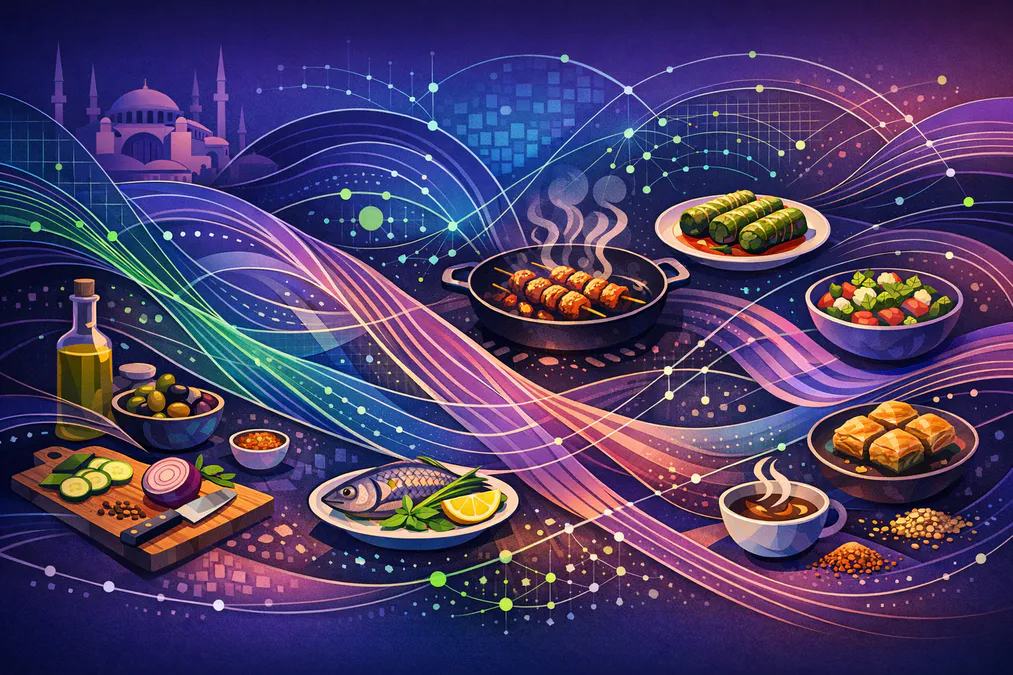
Istanbul stands as one of the world's most celebrated food destinations, where centuries of culinary tradition blend seamlessly with contemporary gastronomy. The city's position bridging Europe and Asia has created a unique food culture that draws from diverse influences while maintaining distinctly Turkish characteristics. Understanding Istanbul recipes and the cooking traditions behind them offers insight into the broader Turkish culinary landscape and the importance of food in daily life.
The culinary culture of Istanbul reflects the city's rich history as a major trading hub and cultural crossroads. For centuries, spice merchants, merchants from across the Ottoman Empire, and travelers have influenced the flavors and techniques found in Istanbul kitchens today. Turkish breakfast, in particular, represents a cornerstone of this food culture—a leisurely, social meal that emphasizes quality ingredients and time spent with family and friends.
Turkish Breakfast: The Heart of Istanbul Food Culture
Turkish breakfast, known locally as "kahvaltı," holds special significance in Turkish culture. Unlike quick breakfasts in many Western countries, the Turkish breakfast is an elaborate spread featuring multiple components designed to be shared. This meal typically includes fresh cheeses, cured meats, olives, fresh vegetables, breads, honey, and various spreads. The ritual of gathering around the br
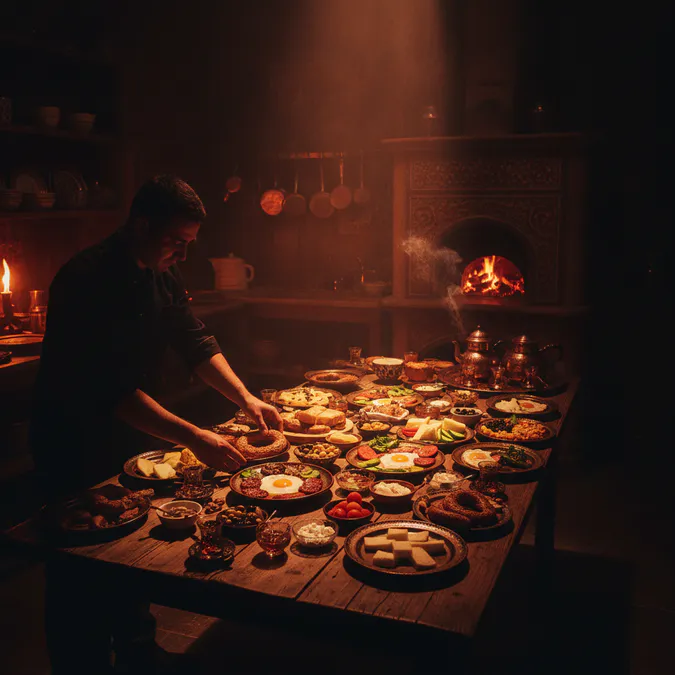
One of Turkey's favorite breakfast dishes is Menemen, a scrambled egg dish that exemplifies the simplicity and flavor-forward approach of Turkish cooking. This Istanbul recipe combines eggs with tomatoes, peppers, and onions, creating a warm, satisfying dish that can be prepared in minutes. The beauty of Menemen lies in its versatility—home cooks throughout Istanbul prepare it slightly differently based on family preferences and available ingredients.
How to Prepare Menemen
Menemen begins with heating olive oil in a wide pan or skillet. Finely diced onions are cooked until they become translucent and begin to soften. Fresh tomatoes, either diced or crushed, are added along with diced bell peppers. The mixture simmers until the vegetables release their juices and begin to break down, creating a flavorful base. Eggs are then cracked directly into the pan and gently stirred, allowing them to cook slowly and absorb the flavors of the vegetables. The dish is finished with fresh herbs, typically parsley, and served warm with crusty bread for dipping.
Essential Istanbul Recipes Beyond Breakfast
Beyond breakfast, Istanbul recipes showcase the depth and complexity of Turkish cuisine. Meze, the tradition of small plates and appetizers, represents another fundamental aspect of Turkish food culture. These dishes range from simple preparations like Muhammara, a roasted red pepper and walnut dip, to more involved recipes requiring careful technique and quality ingredients.
Muhammara: Roasted Red Pepper Walnut Dip
Muhammara demonstrates how Istanbul recipes often transform humble ingredients into something extraordinary. Roasted red peppers are combined with ground walnuts, breadcrumbs, garlic, and pomegranate molasses to create a dip with layers of flavor—sweet, tangy, nutty, and slightly spicy. This Istanbul recipe appears on tables throughout the city, served as part of breakfast spreads, meze platters, or as an accompaniment to grilled meats and vegetables.
Preparing Muhammara requires first roasting red peppers until their skin blackens and blisters. The peppers are then placed in a covered bowl to steam, making the skin easy to remove. Once peeled, the peppers are combined with finely ground walnuts, soaked breadcrumbs, minced garlic, and pomegranate molasses. The mixture is blended until it reaches the desired consistency—some prefer a smooth paste, while others like a slightly chunky texture. A drizzle of quality olive oil finishes the dish, and it's typically garnished with pomegranate seeds and fresh herbs.
Çoban Salatası: Shepherd's Salad
Another essential Istanbul recipe that reflects the city's culinary culture is Çoban Salatası, or Shepherd's Salad. This simple yet vibrant dish consists of finely diced tomatoes, cucumbers, onions, and parsley, dressed with olive oil and lemon juice. The simplicity of Çoban Salatası belies its importance in Turkish food culture—it appears at virtually every meal, from breakfast through dinner, and its preparation requires only the freshest, highest-quality vegetables.
The appeal of Çoban Salatası lies in its freshness and the way it cleanses the palate between courses. The fine dice of vegetables creates a texture that's neither quite a salad nor quite a relish, but something uniquely Turkish. The ratio of ingredients matters significantly—experienced cooks in Istanbul adjust the proportions based on the quality and seasonality of available produce.
Preparing Çoban Salatası Properly
Preparing Çoban Salatası properly requires sharp knives and attention to detail. Tomatoes are diced into small, uniform pieces, with seeds and excess liquid removed to prevent the salad from becoming watery. Cucumbers are similarly diced, and red onions are sliced thinly and sometimes soaked briefly in water to reduce their sharpness. Fresh parsley is chopped finely and added just before serving to maintain its bright color and fresh flavor. The dressing—a simple combination of quality olive oil, fresh lemon juice, and salt—is added just before serving to prevent the vegetables from releasing too much liquid.
What These Istanbul Recipes Reveal About Turkish Cuisine
These three Istanbul recipes—Menemen, Muhammara, and Çoban Salatası—represent different aspects of Turkish culinary culture. Menemen showcases the importance of breakfast in Turkish life and demonstrates how simple ingredients can be transformed through careful cooking. Muhammara illustrates the Turkish love of layered flavors and the creative use of nuts and pomegranate molasses. Çoban Salatası represents the Turkish emphasis on fresh, seasonal ingredients and the role of simple preparations in creating memorable meals.
Understanding these Istanbul recipes requires appreciating the broader context of Turkish food culture. Turkish cooking emphasizes quality ingredients, often sourced locally and seasonally. Olive oil, fresh herbs, vegetables, legumes, and grains form the foundation of the cuisine, with meat playing a supporting rather than starring role in many dishes. The influence of Ottoman court cuisine, Mediterranean traditions, and Central Asian heritage all contribute to the complexity and depth of Turkish cooking.
The Social Significance of Turkish Food Culture
The social aspect of Turkish food culture cannot be overstated. Meals are occasions for gathering, conversation, and connection. The leisurely pace of Turkish breakfast, the sharing of meze plates, and the ritual of tea or coffee after meals all reflect values that prioritize community and human connection. When preparing these Istanbul recipes, cooks are not simply following instructions but participating in a cultural tradition that extends back centuries.
For those interested in exploring Turkish cuisine beyond these three recipes, Istanbul offers endless opportunities for culinary discovery. The city's markets, street food vendors, and restaurants showcase the full range of Turkish cooking. From the fresh seafood of the Golden Horn to the spiced kebabs of the Grand Bazaar, Istanbul's food culture continues to evolve while maintaining deep connections to tradition.
Bringing Istanbul Recipes Into Your Kitchen
Experimenting with these Istanbul recipes at home provides a gateway into Turkish culinary culture. The techniques are straightforward, the ingredients are accessible in most markets, and the results are deeply satisfying. Whether preparing Menemen for a leisurely weekend breakfast, serving Muhammara as part of a meze spread, or tossing together Çoban Salatası as a side dish, these recipes connect home cooks to the vibrant food traditions of one of the world's greatest food cities.
Key Takeaways
- Istanbul recipes reflect the rich culinary heritage of Turkey, emphasizing fresh ingredients and communal dining.
- Turkish breakfast is a social event, with dishes like Menemen showcasing the importance of shared meals.
- Meze, including dishes like Muhammara, highlights the creativity and depth of Turkish cuisine.
- Çoban Salatası exemplifies the use of seasonal vegetables and simple preparations in Turkish cooking.
- Exploring Istanbul recipes allows home cooks to connect with the vibrant food culture of Turkey.
Frequently Asked Questions
What are some popular Istanbul recipes?
Popular Istanbul recipes include Menemen, Muhammara, Çoban Salatası, and various meze dishes that showcase the diversity of Turkish cuisine.
How can I make a traditional Turkish breakfast?
A traditional Turkish breakfast includes a variety of items such as cheeses, olives, tomatoes, cucumbers, bread, and spreads, with Menemen often served as a highlight.
What is the significance of meze in Turkish cuisine?
Meze represents a tradition of small plates that encourage sharing and socializing, making it an essential part of Turkish dining culture.
How do I prepare Muhammara?
To prepare Muhammara, roast red peppers, blend them with walnuts, breadcrumbs, garlic, and pomegranate molasses, and serve as a dip or spread.
Why is Çoban Salatası important in Turkish meals?
Çoban Salatası is important for its freshness and ability to cleanse the palate, making it a staple at meals throughout the day.
For further reading on Turkish cuisine and its cultural significance, consider visiting authoritative sources such as Turkish Cuisine or Food & Wine.